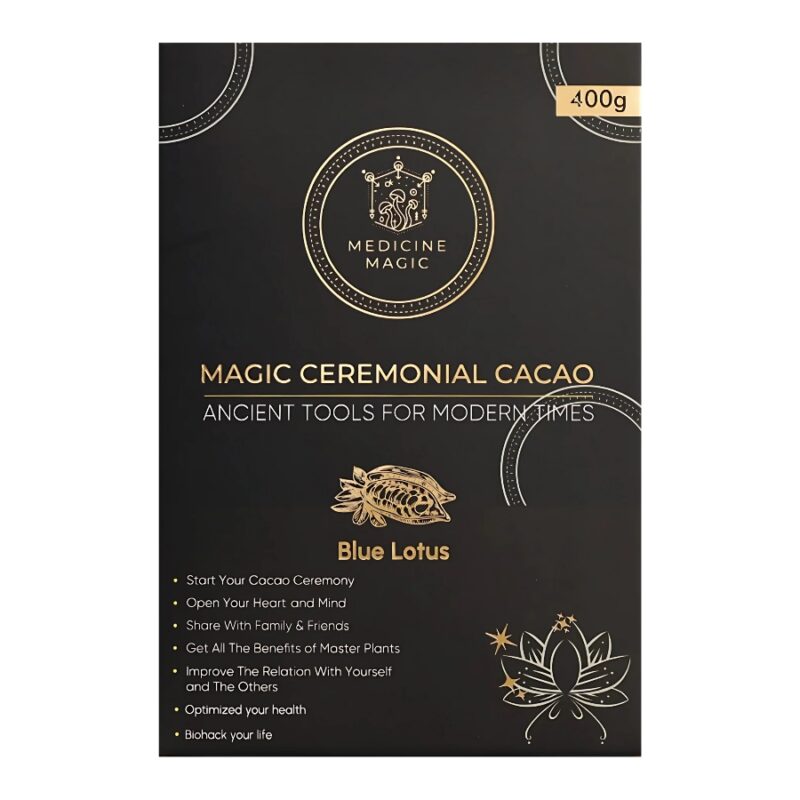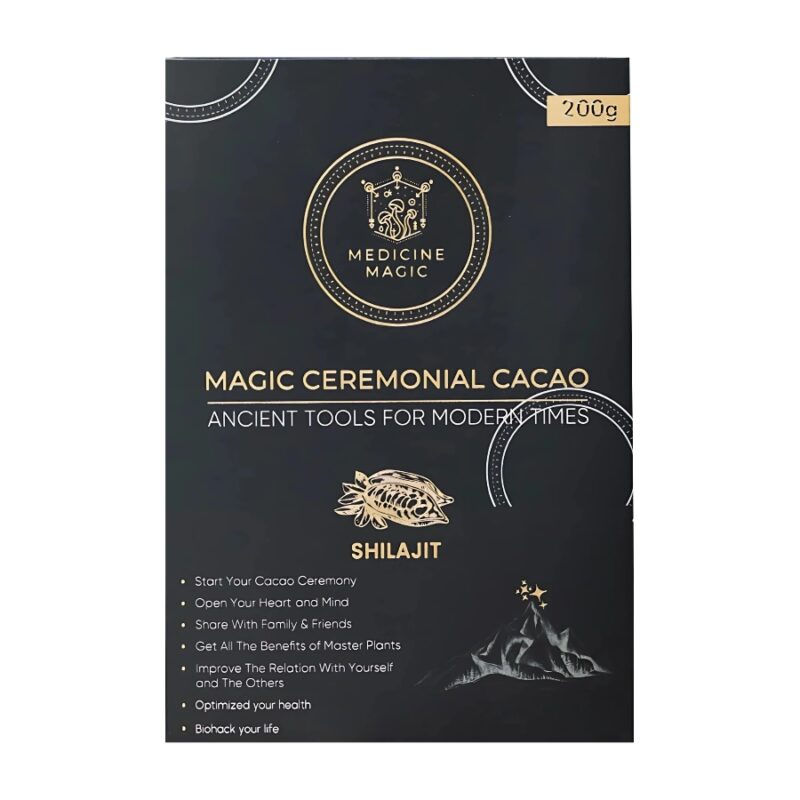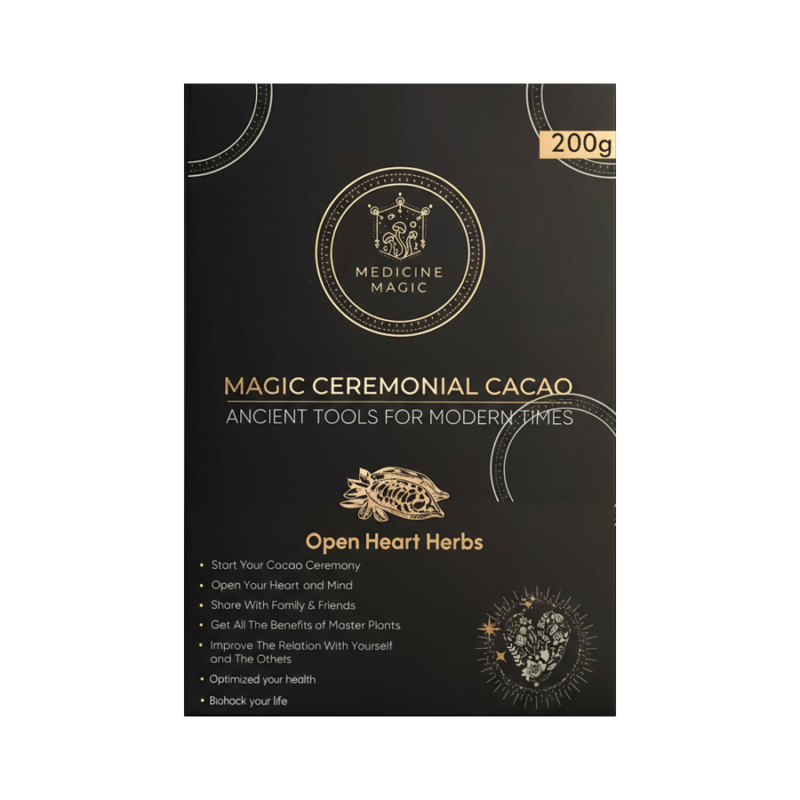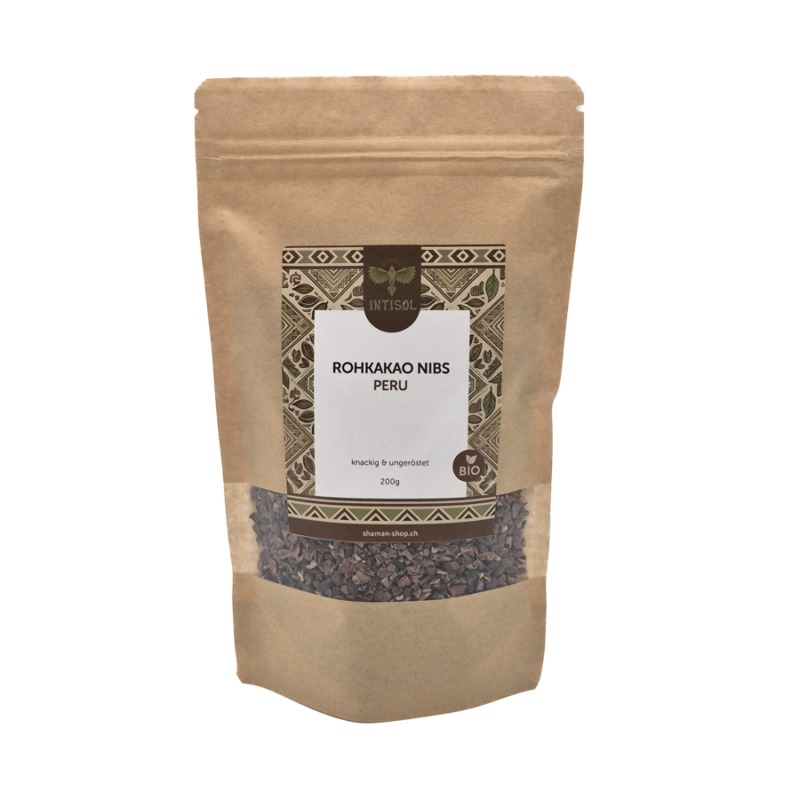
Ceremonial cacao has seen a resurgence in the spiritual and health community in recent years. Originally from the ancient cultures of Central and South America, cacao has traditionally been used for rituals and ceremonies. The power of raw cacao lies not only in its nutrients, but also in its deep energetic effects, which are designed to help people connect with their hearts and spirituality.
Origin of Ceremonial Cacao
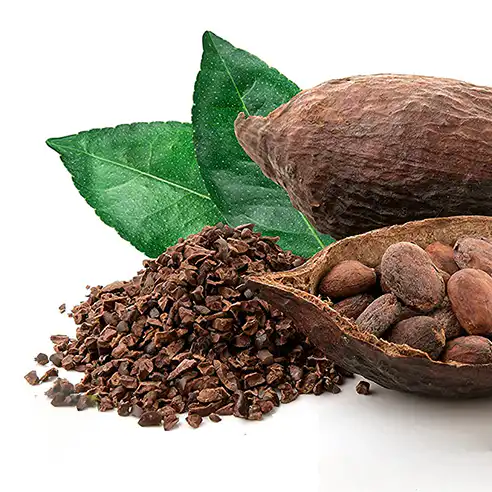
The cocoa plant (Theobroma cacao) is native to the tropical regions below the equator, especially Central and South America. Here it was revered and used thousands of years ago by cultures such as the Maya and Aztecs. These cultures viewed cacao not only as a source of food, but as a sacred plant used in rituals to connect with the gods.
History of cocoa
The history of cocoa is closely linked to the cultures of Central and South America. Among the Maya and Aztecs, cacao was revered as the “food of the gods” and used in religious ceremonies. The cacao tree was considered a divine gift, and the drink derived from the beans served as a ritual elixir that was said to promote spiritual and physical healing. Cocoa was also so valuable that the beans were used as a means of payment.
With the arrival of the Spanish in Central America in the 16th century, cocoa was brought to Europe, where it quickly became popular, especially as a luxury drink at court. Over the centuries, cocoa production has evolved, but in industrial processing, the spiritual aspect has been lost – until more recently, awareness of ceremonial cocoa has been revived.
How is Ceremonial Cacao made?
The production of raw, ceremonial cocoa is fundamentally different from industrial cocoa production. After harvesting the cocoa beans, they are first fermented to develop the flavor and then gently dried. The beans are then processed into a cocoa mass that contains the full nutritional content and energetic effect of the plant. This cocoa mass remains untreated, which means that it is not heated or chemically modified.
In contrast, in industrial cocoa production, cocoa is often heated to a high temperature and separated into cocoa butter and powder. In the process, many of the valuable ingredients are lost, resulting in a product that is mainly used for the mass production of chocolate or cosmetics. Ceremonial cacao remains in its original form and contains all the bioactive compounds of the plant.
What are the varieties of Ceremonial Cacao?
There are several varieties of ceremonial cacao, which differ in the area of cultivation, aroma and quality:
- Criollo (Peru): This type of cocoa is known for its mild and aromatic taste. It is particularly high quality and is often used in ceremonial cocoa. Criollo is relatively rare and is mainly grown in Peru.
- Arriba Nacional (Ecuador): This variety is also very delicate in taste and is often referred to as “fine cocoa”. It is known for its floral and fruity aromas, which unfold in the cocoa mass.
- Bali cocoa: On the Indonesian island of Bali, a variety is grown that is characterized by its creamy texture and mild, slightly nutty taste. Bali cacao is also commonly used in ceremonial contexts.
- Bolivian wild cocoa: This cocoa is collected in the wild in Bolivia and is therefore particularly natural. The beans grow in remote areas and are characterized by a particularly intense flavor.
What is the effect of Ceremonial Cocoa/Raw Cocoa?
Ceremonial cacao has an effect on the body as well as on the psyche and consciousness. Due to its natural ingredients, such as flavonoids, theobromine and magnesium, it offers a variety of positive effects:
- Physical effect:
- The flavonoids in cocoa promote blood circulation and protect the cardiovascular system. They have a blood pressure-lowering and anti-inflammatory effect.
- Cocoa is rich in fiber, which aids digestion.
- The fats contained in cocoa are similar to those found in olive oil and contribute to a healthy diet.
- Raw cacao is a real nutrient bomb: it contains more magnesium than any other plant source, more calcium than milk and more iron than spinach or meat.
- Psychological effect:
- Theobromine: Similar to caffeine but gentler, theobromine provides a sustained energy boost and promotes well-being.
- Serotonin and Anandamide: These neurotransmitters promote happiness and provide a feeling of satisfaction and euphoria.
- Phenylethylamine (PEA): Known as the “love chemical,” PEA promotes the release of endorphins and contributes to feelings of connection and love.
What is a cacao ceremony?
A cacao ceremony is a spiritual ritual in which raw, ceremonial cacao is consumed in a conscious, meditative, or communal context. Originally rooted in the indigenous cultures of Central and South America, the ceremony serves to use cacao as a “heart opener” and promote a deeper connection to oneself, nature, or a spiritual level.
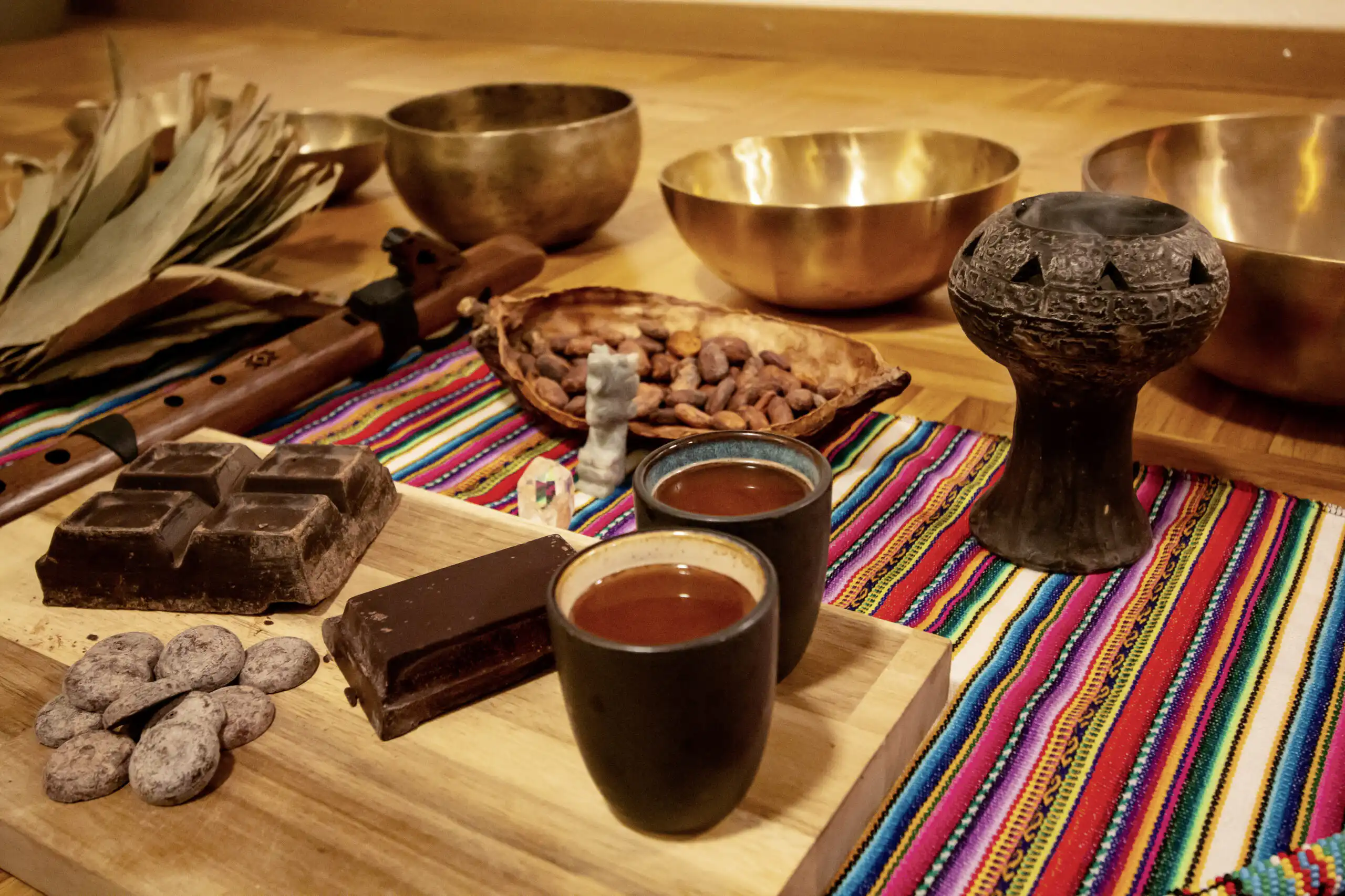
A cacao ceremony can be designed in a variety of ways, depending on the intention and personal preferences of the participants. Ceremonial cacao provides a powerful, heart-opening base upon which various spiritual, creative, and physical practices can build. Here are some of the most common elements that can be incorporated into a cacao ceremony:
- Sound journey (singing bowls, gongs and other instruments)
- Singing & Making Music
- Meditation
- Exercise and Yoga
- Dance
- Shamanic journeys
Application of Ceremonial Cocoa
Ceremonial cacao is often used in cacao ceremonies that open up spiritual or meditative spaces. In such a ceremony, you drink a special dose of raw cocoa and consciously connect with the energetic power of the plant. You can use cocoa as a heart opener to experience emotional healing or gain deeper insights.
The recommended dosage for a ceremony is between 30 and 40 grams, for beginners 20 grams is often enough to feel the subtle effect of cocoa. Make sure to drink enough water, as cocoa can be mildly dehydrating.
Ceremonial cacao not only provides you with an abundance of nutrients, but also the opportunity to connect with yourself on a deeper, spiritual level.
Frequently Asked Questions about Ceremonial Cocoa & Raw Cocoa (FAQ)
What is the difference between Ceremonial Cacao and regular Cacao Powder?
The most important difference lies in the processing and fat content. Industrial cocoa powder (baking cocoa) is usually heavily processed, heated to high temperatures and de-oiled – it lacks the valuable cocoa butter. Ceremonial cacao, as you can find it in the Shaman Shop, is pure cocoa mass. The beans are fermented, dried and gently ground into a paste. All the healthy fat (cocoa butter) is retained. As a result, it has a stronger energetic effect, nourishes the body better and serves as a carrier substance so that the active ingredients reach the blood more quickly.
What does "raw cocoa" mean?
Raw cocoa is cocoa that has been exposed to the lowest possible temperatures during processing (fermentation and drying) (usually below 42°C to 45°C). As a result, the heat-nourishing nutrients, antioxidants and enzymes are almost completely preserved. Our cocoa is not roasted (or only minimally) to preserve this primal power, unlike conventional chocolate.
What exactly is a cacao ceremony?
A cacao ceremony is a ritual to clear the mind and open the heart. In a protected space (alone or in a group), cocoa is drunk with a conscious intention . This often serves as an introduction to meditation, yoga, "ecstatic dance" or emotional introspection. The cocoa acts as a gentle, feminine companion ("Mama Cacao") that helps to release emotional blockages and re-establish the connection to oneself and nature.
How does ceremonial cacao (theobromine) work?
In contrast to coffee, which often makes you nervous due to caffeine, cocoa primarily contains theobromine. This substance stimulates the cardiovascular system and promotes blood circulation without stressing. Traditionally, cocoa is therefore referred to as "heart-opening medicine". Users report a state of awake relaxation, increased creativity and a feeling of connection. Biochemically, happiness hormones are stimulated.
What are the active ingredients in Ceremonial Cocoa?
Raw cacao is a biochemical powerhouse with over 300 compounds identified. Here are the most important "mood boosters" and their well-known effects:
Theobromine: The main active ingredient (related to caffeine, but gentler). It has a vasodilating effect, which promotes blood circulation and can lower blood pressure. This creates the physical feeling of "heart opening" and alertness without tremors.
Phenylethylamine (PEA): Known as the "love molecule". Our body releases PEA when we are in love. It increases focus, attention and lifts the mood.
Anandamide: Derived from the Sanskrit word "Ananda" (bliss), it is often referred to as the "Bliss Molecule". It is an endocannabinoid that binds to the same receptors as cannabis (but much more gently) and induces a feeling of joy and well-being.
Tryptophan: An essential amino acid that serves as a precursor to serotonin (the "good mood hormone") and melatonin. It supports a balanced mood and relaxation.
Flavanols (antioxidants): Raw cocoa has an extremely high ORAC density (antioxidants). These promote blood flow to the brain (neuroplasticity), protect cells from free radicals and support heart health.
Magnesium: Cocoa is one of the richest vegetable sources of magnesium. This is essential for muscle relaxation, the nervous system and energy metabolism.
Where does cocoa come from and what is its history?
The history goes back over 3,000 years. Originally native to the Amazon basin, it was cultivated by the Maya and Aztecs in Central America. The botanical name Theobroma Cacao means "food of the gods". For these advanced civilizations, cocoa was sacred and so valuable that the beans were used as a means of payment . It was not until the Spaniards brought it to Europe, where it was transformed from a ritual drink to a sweet.
What is the traditional use of cocoa?
In the indigenous tradition, cocoa was never drunk sweetened . The Maya prepared it as a frothy, bitter drink, often refined with chili, corn flour, vanilla or local flowers. It was not consumed daily, but on special occasions: at spiritual rituals, weddings or to give strength to warriors. He is considered a mediator between heaven and earth.
How is ceremonial cocoa made?
The production is a mindful craft:
Harvest & Fermentation: The beans ferment in the pulp. This is where the complex aromas are created and bitter substances are broken down.
Drying: Traditionally gentle in the sun.
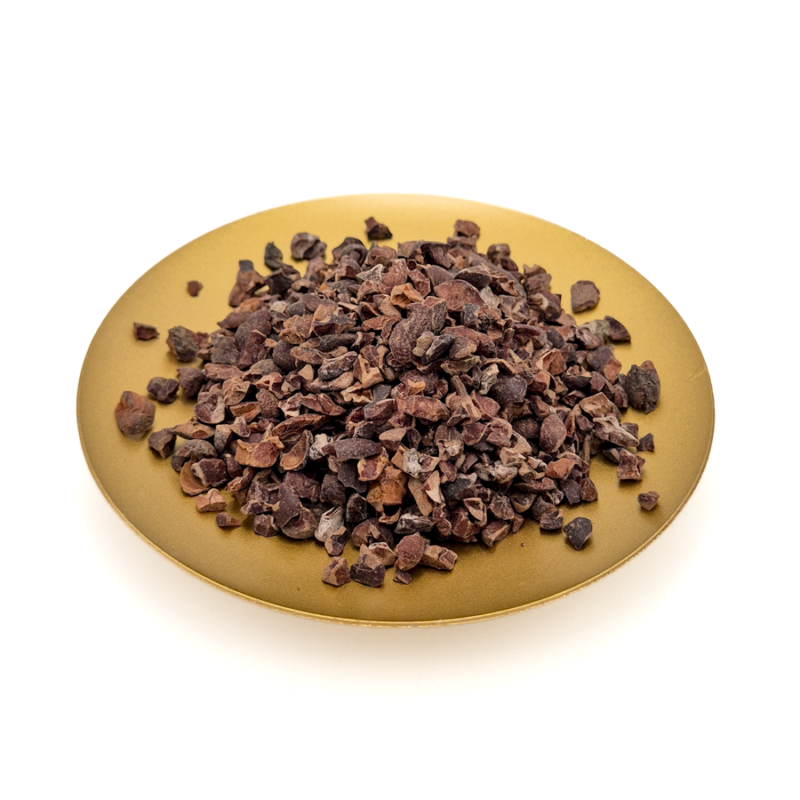
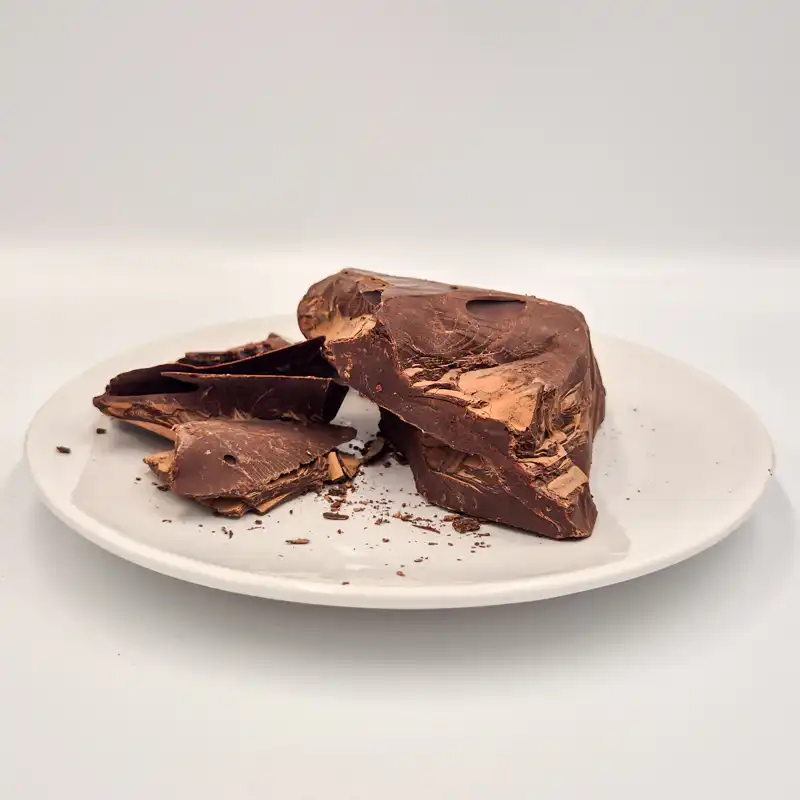
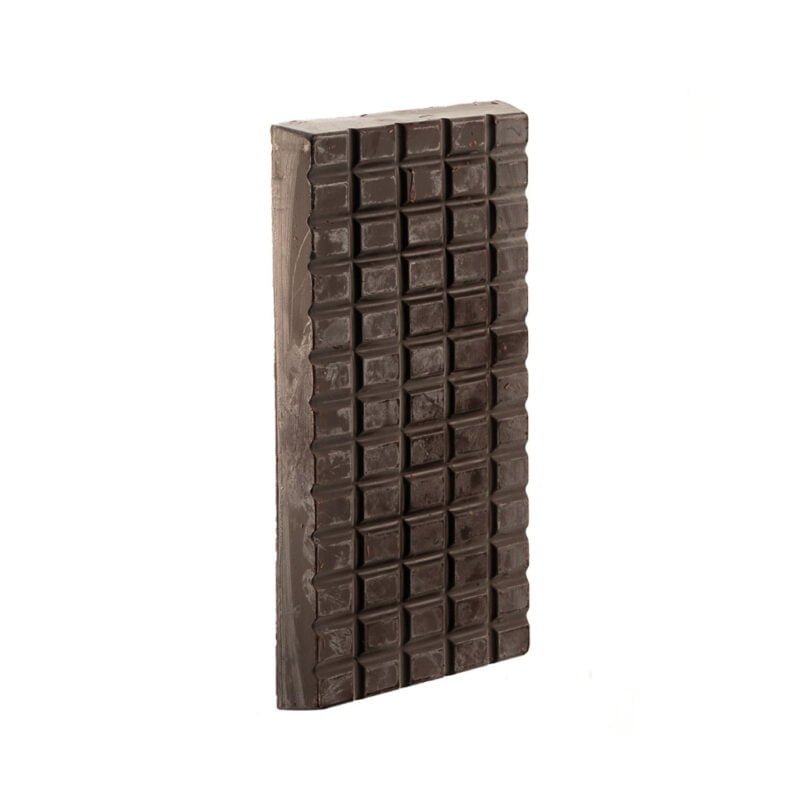
Grinding: For raw cocoa, the beans are peeled and gently ground into a fine paste (cocoa mass). Nothing is removed (no de-oiling) and nothing is added. This creates the fixed block that you can buy.
Where is ceremonial cocoa made and how do the regions differ?
Ceremonial cacao grows exclusively in the "cocoa belt" around the equator. Each region shapes the taste and energetic effect of cocoa through its soil (terroir) and climate:
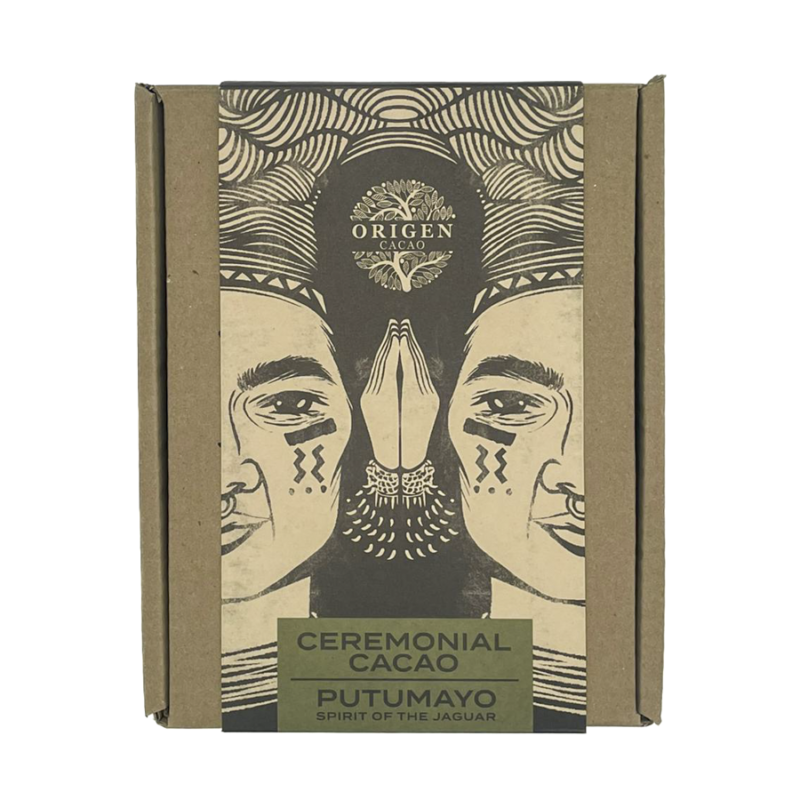
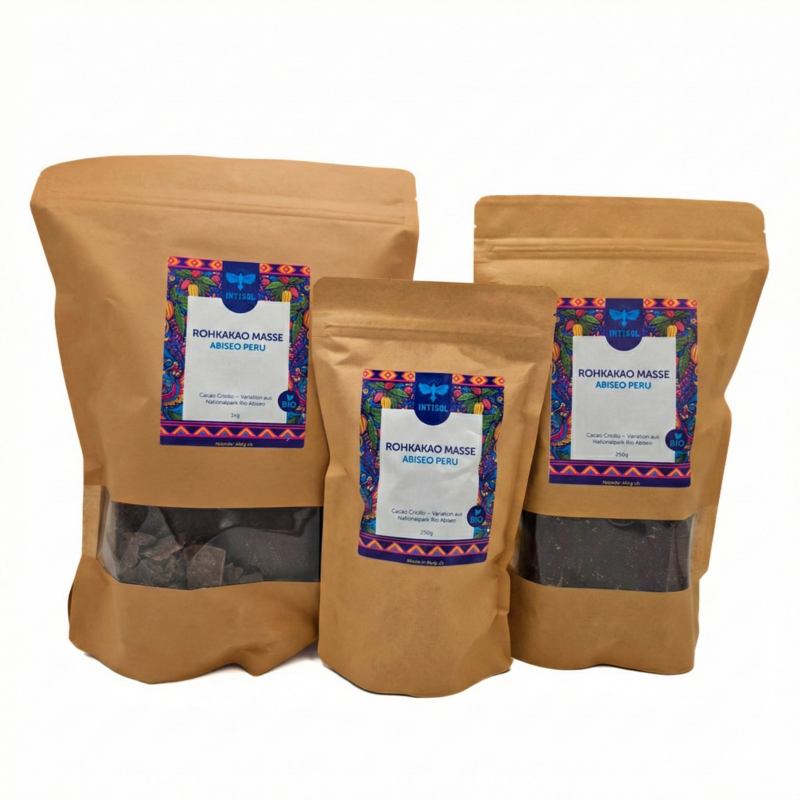
Peru (home of Criollo & Chuncho): Especially the region around Cusco (Urubamba Valley) is world famous. This is where the legendary Chuncho cacao grows, one of the oldest and finest Criollo your-varieties in the world. Peruvian Chuncho is known for its mild, floral aroma without acidity and a very high cocoa butter content. Energetically, it is considered to be particularly "high-vibrating", gentle and heart-opening - ideal for beginners and deep ceremonies.
Ecuador (Arriba Nacional): This is the home of the famous "Arriba Nacional" variety. This cocoa is known for its floral, nutty and very harmonious aroma. Ecuador has a deep shamanic tradition, and the cacao often feels very grounding and balanced.
Guatemala: The heartland of Mayan culture (and the famous Lake Atitlán). Cocoa from Guatemala often tastes stronger, more chocolaty and has a warm, spicy note (sometimes slightly sour and fruity). He is often appreciated for deep inner work and emotional processes.
Bolivia: Here you can often find wild-growing cocoa (wild collection) from the deep Amazon basin (e.g. Beniano cocoa). It is characterized by an original, earthy and raw profile . He carries the wild power of the untouched jungle within him.
Mexico: The cradle of cocoa culture (Aztecs/Olmecs). Mexican cacao (e.g., from Soconusco or Chiapas) often has a nutty, spicy profile. It connects us directly to the roots of cocoa history.
Bali (Indonesia): The "exotic" among ceremonial cocoas. Since Bali is a volcanic island ("Island of the Gods"), cocoa grows on mineral-rich volcanic soil. This often gives it a very fruity, almost berry aroma with a slight acidity. Since spirituality is part of everyday life in Bali, this cocoa is often grown with a lot of dedication.
Panama: Cocoa from Panama is often cultivated by indigenous peoples (such as the Ngäbe-Buglé) on the Caribbean coast. It is usually very mild, creamy and has exotic fruit notes.
What cocoa varieties are there?
There are three main groups, but for ceremonial cocoa, special original varieties ("Heirloom Cacao") are decisive:
Criollo: The "fine cocoa". It is very rare, sensitive, but incredibly fine in taste and not very bitter. Many of our cocoas are based on original variants of Criollo (such as the "Chuncho" from Peru).
Nacional (Arriba): The pride of Ecuador. Arriba Nacional is an ancient, indigenous variety known for its exceptionally floral and nutty aroma. Although it is often considered botanically separately, it is one of the absolute world's top fine cocoatas in terms of quality.
Wild cocoa (e.g. Beniano): A special feature from Bolivia. The Beniano grows wild in the Amazon (not a plantation!) and is collected. It is genetically unique, very small and possesses an enormous, wild primal power with an earthy profile.
Trinitario: A hybrid (cross) of Criollo and Forastero that combines good taste with robustness.
Forastero: The classic "consumer cocoa" (often bitter and flatter in taste), which is mostly used for industrial supermarket chocolate.
Tip: For ceremonies, we always recommend fine cocoa (Criollo, Arriba Nacional) or wild cocoa (Beniano) because of the higher energetic vibration, purity and finer taste.
How to prepare a cocoa for a ceremony?
The preparation is part of the ritual:
Hacking: Cut the cocoa mixture into small pieces with a knife.
Heating: Heat water or plant milk (e.g. oats) to about 42-50°C. Do not boil to protect the nutrients!
Mixing: Add the cocoa to the liquid. Since it contains a lot of cocoa butter, it is best to use a blender or whisk until it is foamy.
Seasoning: Refine with cinnamon, chili (activates the metabolism), cardamom or a little honey or coconut blossom sugar.
What dosage of ceremonial raw cacao is recommended?
-
Daily Use/Creativity: Approx. 15g to 20g.
-
Meditation dose: Approx. 25g to 30g.
-
Low ceremony dose: Approx. 35g to 42g. Note: Approach slowly and always drink enough water to prevent headaches ("cocoa dehydrates easily").
Can I drink cocoa if I take antidepressants?
Caution is advised here. Ceremonial cacao contains tryptophan and MAOIs. In combination with SSRI-based antidepressants , it can lead to severe headaches or, in extreme cases, serotonin syndrome. Even if you have severe heart problems or very high blood pressure: Please consult your doctor and start with a very low dose (e.g. 10g).
Is cocoa dangerous for dogs?
Yes, life-threatening. The theobromine it contains is toxic to dogs and cats because they cannot break it down. Please always keep your cocoa safe and out of reach of pets.
Legal notice: Ceremonial cocoa is a natural food. The effects described are based on traditional knowledge of indigenous cultures as well as empirical values. They do not constitute medical promises of healing under Swiss law. If you are pregnant, breastfeeding or taking medication (esp. antidepressants), please consult your doctor in advance.
Bestseller
-
Agua de Florida Peru
Rated 4.89 out of 5CHF 18.00 – CHF 25.00Price range: CHF 18.00 through CHF 25.00 -
Shawadawa Rapé - Spiritual
Rated 5.00 out of 5CHF 15.00 – CHF 52.00Price range: CHF 15.00 through CHF 52.00 -
Kuntanawa - Ayarapé
CHF 15.00 – CHF 120.00Price range: CHF 15.00 through CHF 120.00